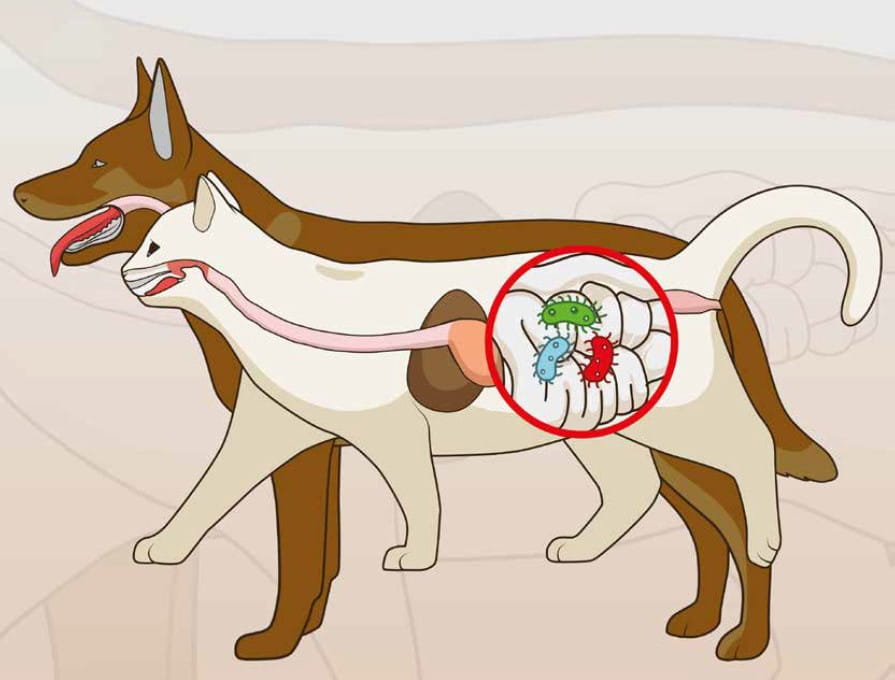
can have different causes in dogs and cats. Intestinal dysbiosis may play a role in this. This refers to an imbalance in the natural gut bacteria. These microorganisms typically aid digestion, strengthen the intestinal barrier, and boost the immune system. If this balance is disrupted, the intestine’s protective function can be compromised, and pathogens can multiply more easily.
To determine the cause, an analysis of the gut microbiota can be performed using a stool sample. Using a molecular biology method (qPCR), the DNA of specific groups of bacteria is detected and quantified. This makes it possible to assess whether key gut bacteria are in balance or whether there are signs of dysbiosis.
Such a test may be useful if animals are suffering from chronic diarrhea, digestive problems, or other conditions that may be related to changes in the gut flora. Test results can also provide insights following antibiotic treatment or in cases of immune disorders.
To interpret the results, the so-called intestinal score is calculated. This summary index, ranging from 0 to 10, summarizes the deviations of the bacterial groups under examination from their reference values and makes it easier to assess whether dysbiosis is present and how severe it is.
If you have any questions, please contact your veterinary practice or veterinary clinic – they will be happy to help you.