
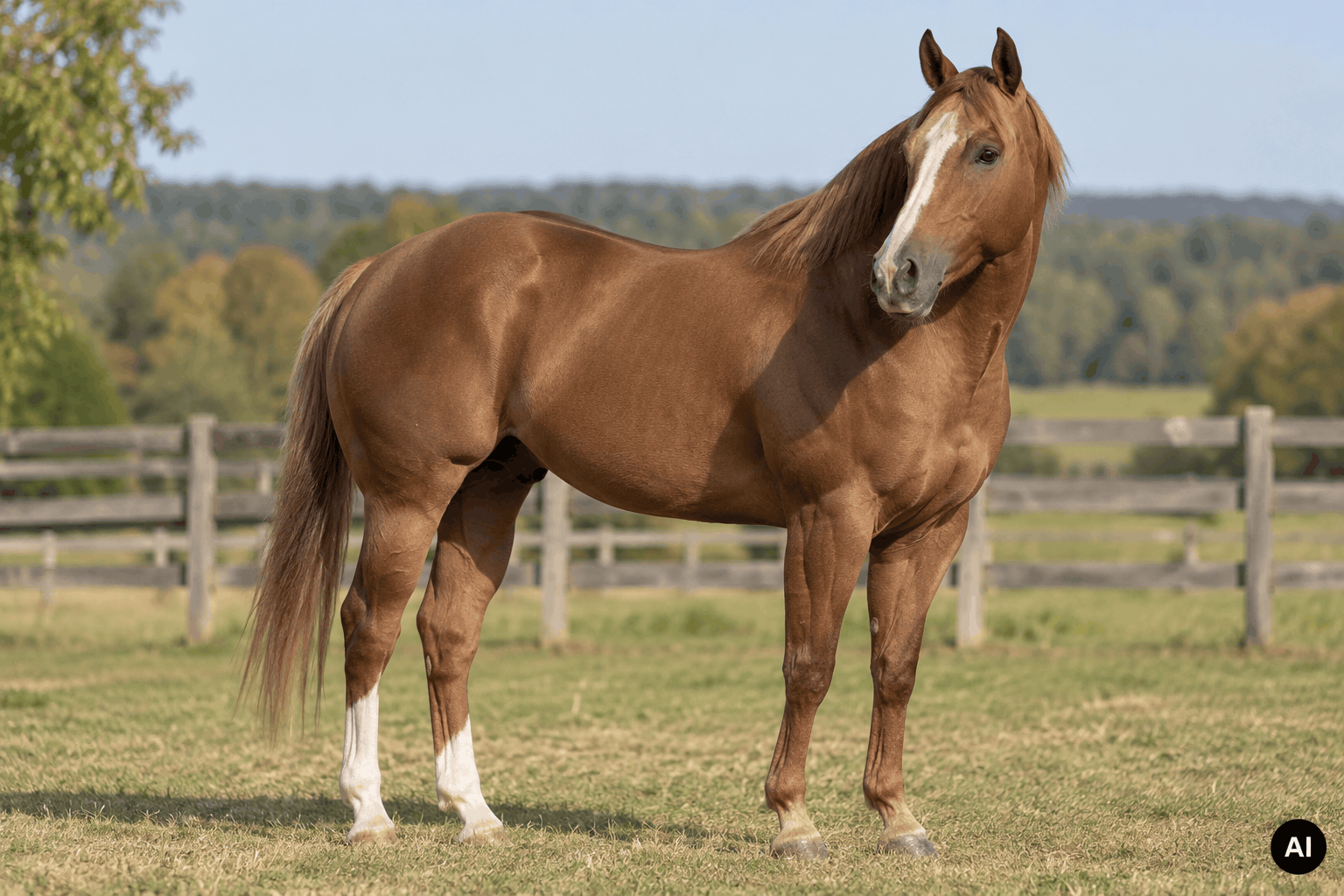
Equine Juvenile Spinocerebellar Ataxia (EJSCA) is now available directly from LABOGEN In 2020, a hereditary neurological disorder was described in the American Quarter Horse: Equine Juvenile Spinocerebellar Ataxia (EJSCA). It affects young foals and can lead to severe movement disorders —including the inability to stand —within a few days. The first signs of ataxia—that is, […]
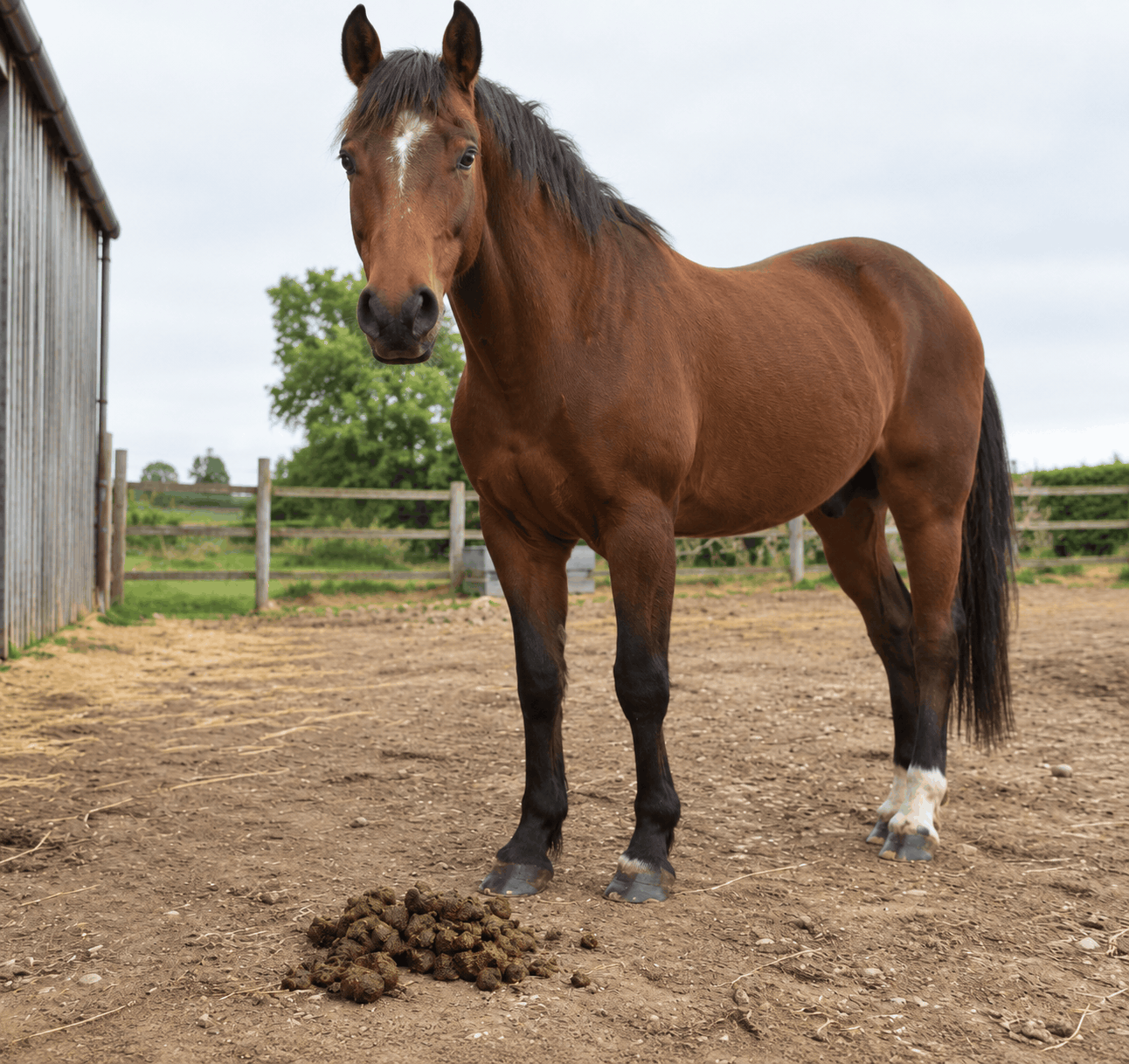
Parasites in Horses: An Overview and Effective Prevention Measures Based on fecal examinations conducted over the past three years, we provide you with an overview of the most common parasites found in horses in Germany. The most common parasites in horses are small strongyles (palisade worms), which live in the large intestine. Severe infestations, especially […]
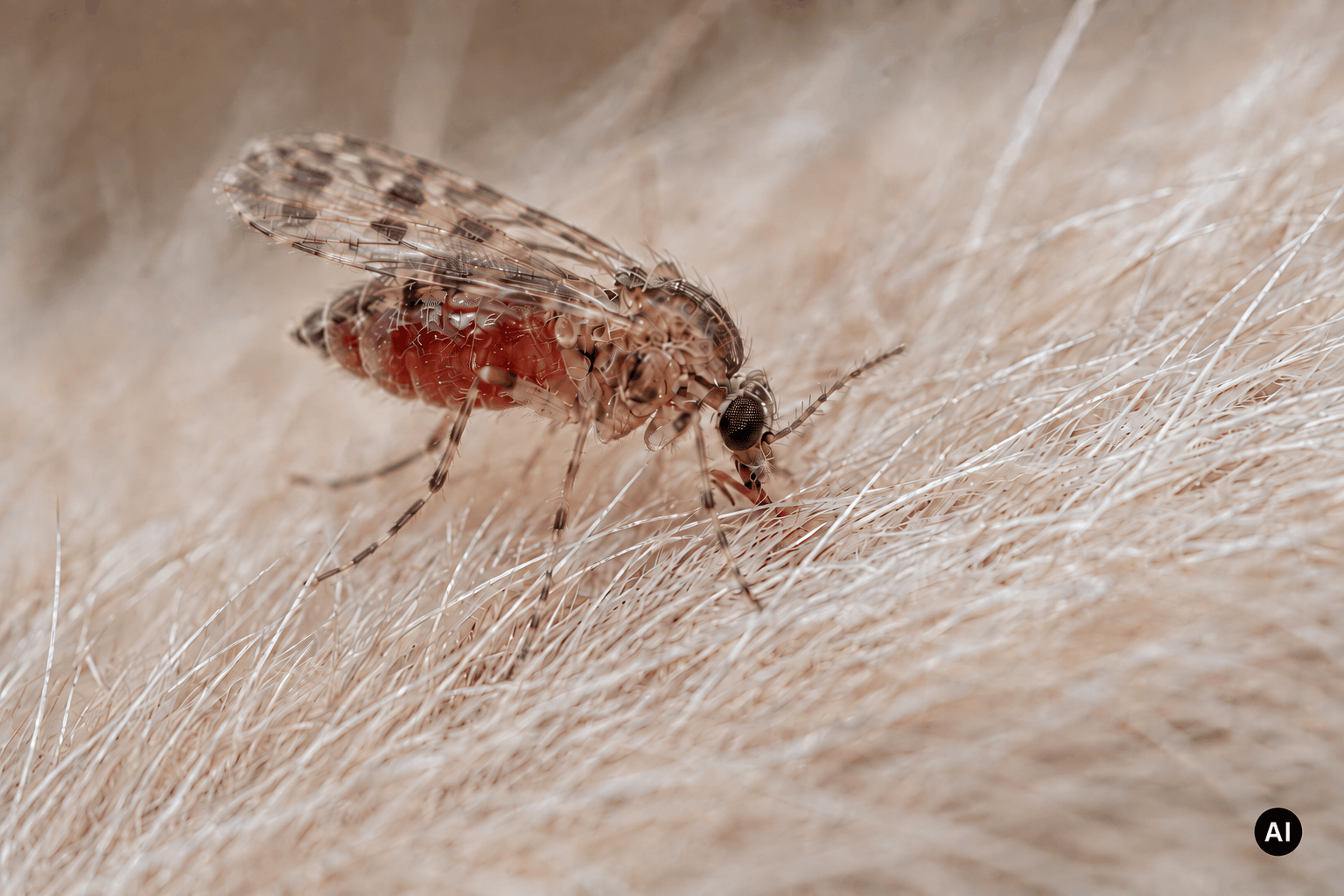
Shamonda Virus in Horses: What We Know So Far The Shamonda virus (SHAV) was first detected in Germany in early August 2026 and is currently spreading across several European countries. So far, cattle have been the most affected, with symptoms including fever, diarrhea, loss of appetite, and a decline in milk production. However, cases have […]
From individual tests to complete packages—the right test format for every need We offer more than just comprehensive genetic screenings, such as the LABOGenetics XXL packages for dogs and cats. Our portfolio also includes breed-specific packages, as well as nearly all genetic tests, which are also available as individual tests. Individual tests are particularly useful […]
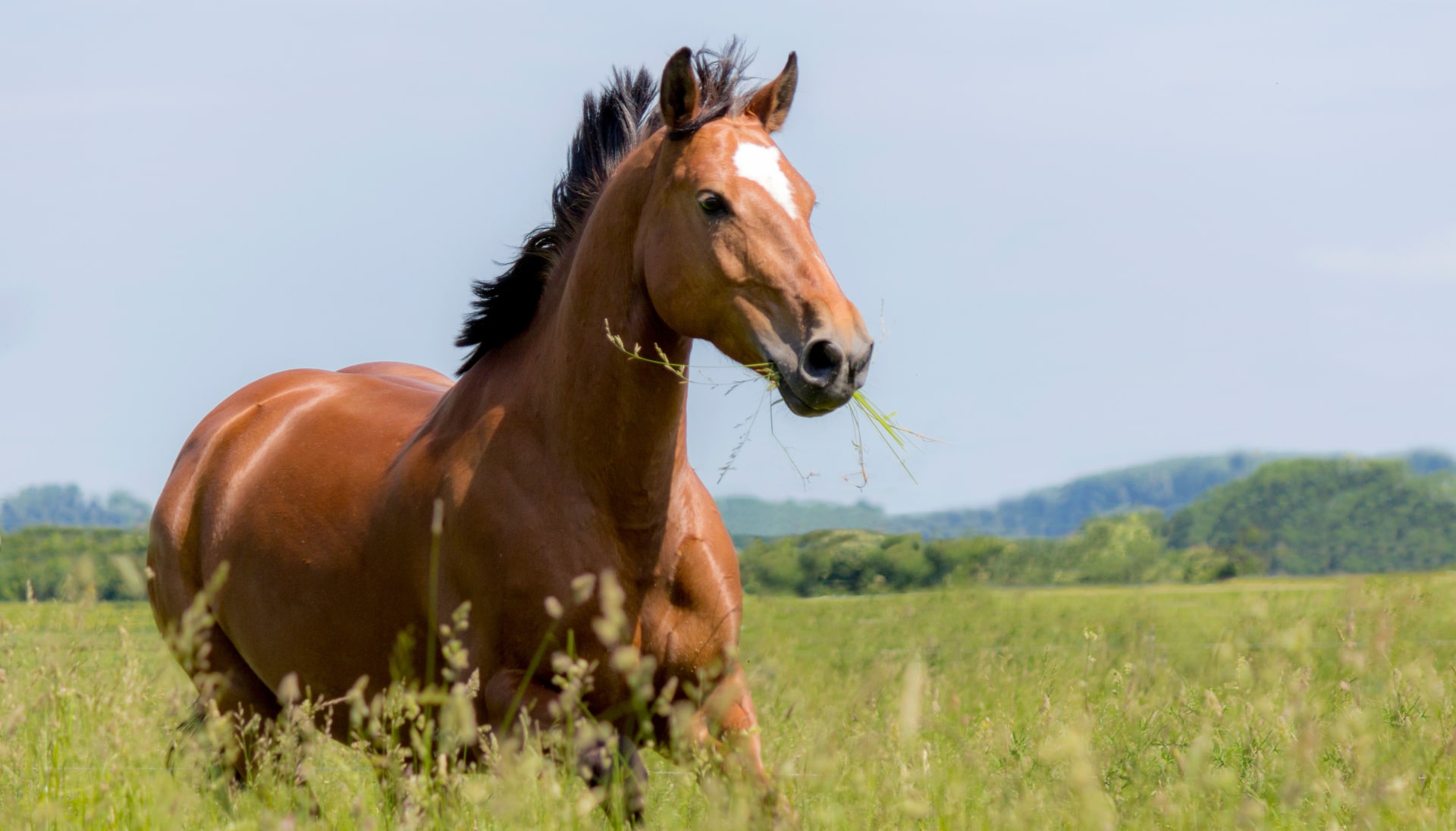
Hypertriglyceridemia-induced pancreatitis (HIP) in the Freiberger We offer a new genetic test for Freiberger that can be used to identify carriers and affected animals of hypertriglyceridemia-induced pancreatitis (HIP). The disease is a hereditary metabolic defect. The HIP gene variant causes the loss of function of an important enzyme in fat metabolism, which ensures that absorbed […]
Which genetic test suits my dog? Individual test, breed package or XXL screening – targeted or broad analysis?…

Reliable laboratory results for responsible decisions Laboklin’s laboratory results are sent exclusively as PDF files, which are digitally signed and protected against editing. This ensures that the content cannot be changed unnoticed after it has been created. The digital signature confirms the authenticity of the document and proves that it actually originates from Laboklin. These […]
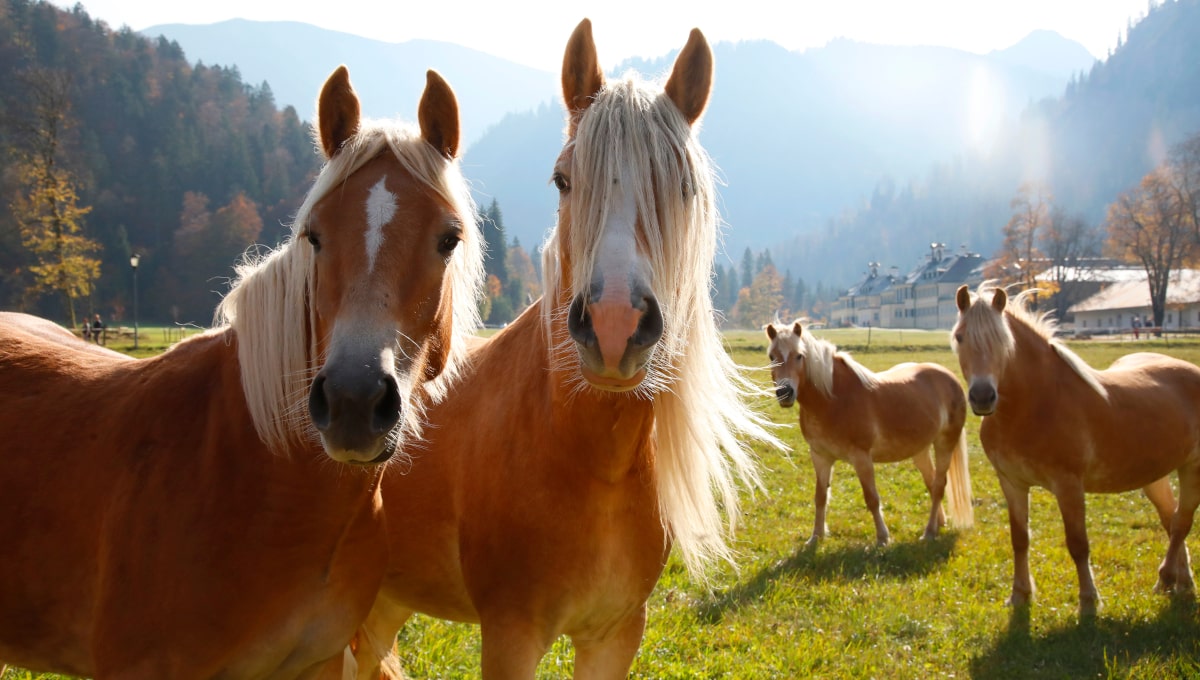
(W)FFS gene variant in the Haflinger in Germany WFFS, Warmblood Fragile Foal Syndrome, is a recessive hereditary disease that was initially only described in warmbloods. Classic symptoms are extremely stretchy and brittle, cracked skin, as well as extremely overstretched joints, especially the fetlock joints are affected. Other possible symptoms are incomplete closure of the abdominal […]
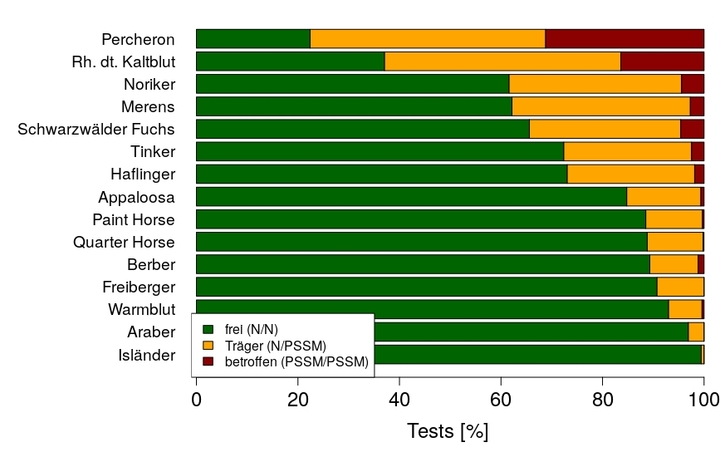
Spread of PSSM in different breeds Polysaccharide storage myopathy type 1 is a hereditary disorder of sugar metabolism. The clinical symptoms are “cross-flap-like” and cover the entire spectrum from reluctance to move, muscle tremors, muscle stiffness, sweating, alternating lameness to immobility. PSSM is inherited in an autosomal dominant manner.This means that heterozygous carriers (genotype N/PPSM) […]