





🦠 New at LABOKLIN: PCR test for amdoparvoviruses in dogs Amdoparvoviruses are primarily known as the causative agents of Aleutian disease in mustelids, but they can also infect canids. In March 2026, a novel outbreak of raccoon dog and fox amdoparvovirus (RFAV) among Doberman Pinschers in Serbia was reported. Meanwhile, the first reports have also […]
LABOGenetics XXL for Dogs/Cats, or maybe the Breed Package instead? Anyone planning to have their dog or cat undergo genetic testing often faces the question: Is the comprehensive LABOGenetics XXL screening the right choice, or is a tailored breed-specific package a better option? Both test formats take different approaches and offer specific advantages depending on […]

Traveling Safely with Your Dog: An Overview of Pathogens in Popular Vacation Destinations The travel season is really picking up now, and many dogs are accompanying their owners on vacation. However, depending on the destination, various pathogens —such as Leishmania, Babesia, or heartworms—may be present, posing a health risk to dogs. That is why it […]

Update: DLA Classification Now Includes Specific Preventive Care Recommendations DLA (Dog Leukocyte Antigen) typing provides a genetic insight into your dog’s immune system. The DLA genes encode proteins that recognize foreign substances and present them to the immune system in order to trigger a targeted immune response. However, errors in distinguishing between the body’s own […]
When Worms Are a Problem: Deworming vs. Fecal Testing for Dogs and Cats Every dog and cat is at risk of becoming infected with worms. In Central Europe, roundworms, hookworms, and tapeworms are the most common intestinal parasites. Some of these migrate from the intestine through other organs in the body. In addition, lungworms are […]
From individual tests to complete packages—the right test format for every need We offer more than just comprehensive genetic screenings, such as the LABOGenetics XXL packages for dogs and cats. Our portfolio also includes breed-specific packages, as well as nearly all genetic tests, which are also available as individual tests. Individual tests are particularly useful […]
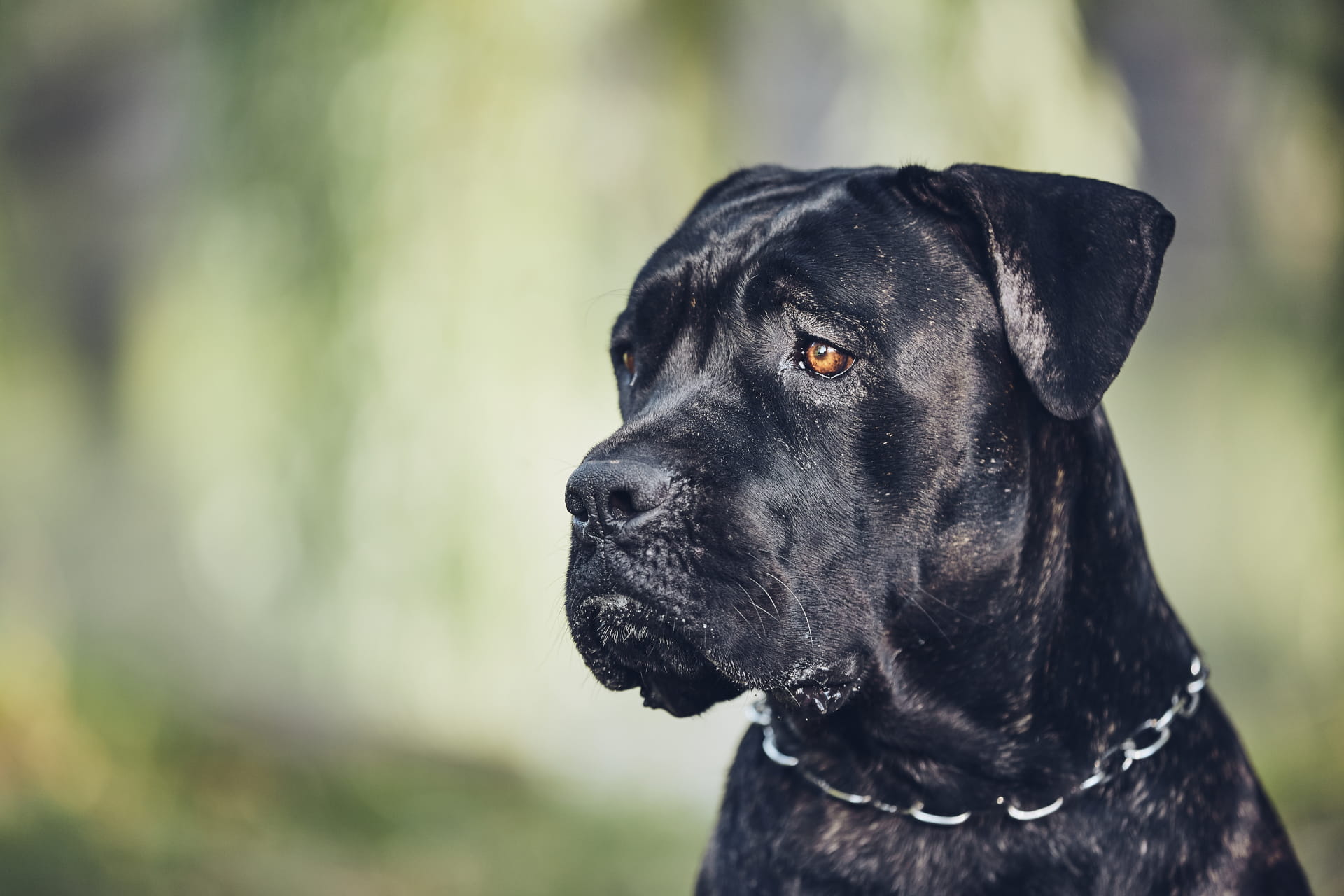
New Breed Packs for the Australian Kelpie and the Cane Corso Italiano Our popular breed packages are getting some new additions: packages for the Australian Kelpie and Cane Corso Italiano breeds are now available. The breed packages can be used to identify the relevant breed-specific hereditary diseases and coat characteristics. This provides a solid foundation […]
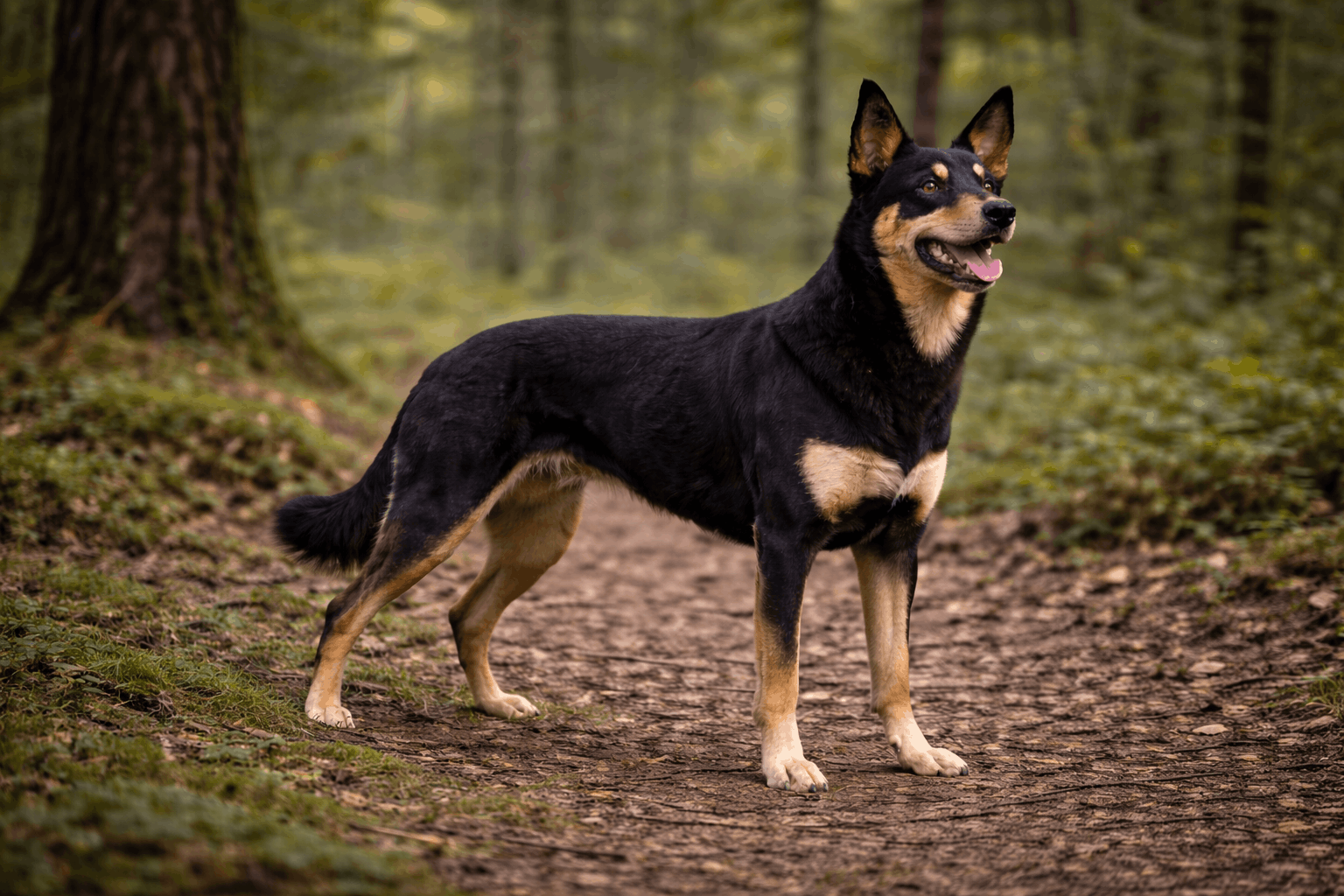
Intestinal Lipid Malabsorption (ILM) in the Australian Kelpie Intestinal lipid malabsorption is a hereditary metabolic disorder in the Australian Kelpie in which the absorption and processing of dietary fats are impaired. Affected dogs do not thrive even as puppies, remain significantly smaller than their littermates, and often have greasy, light-colored stools and a shaggy coat. […]
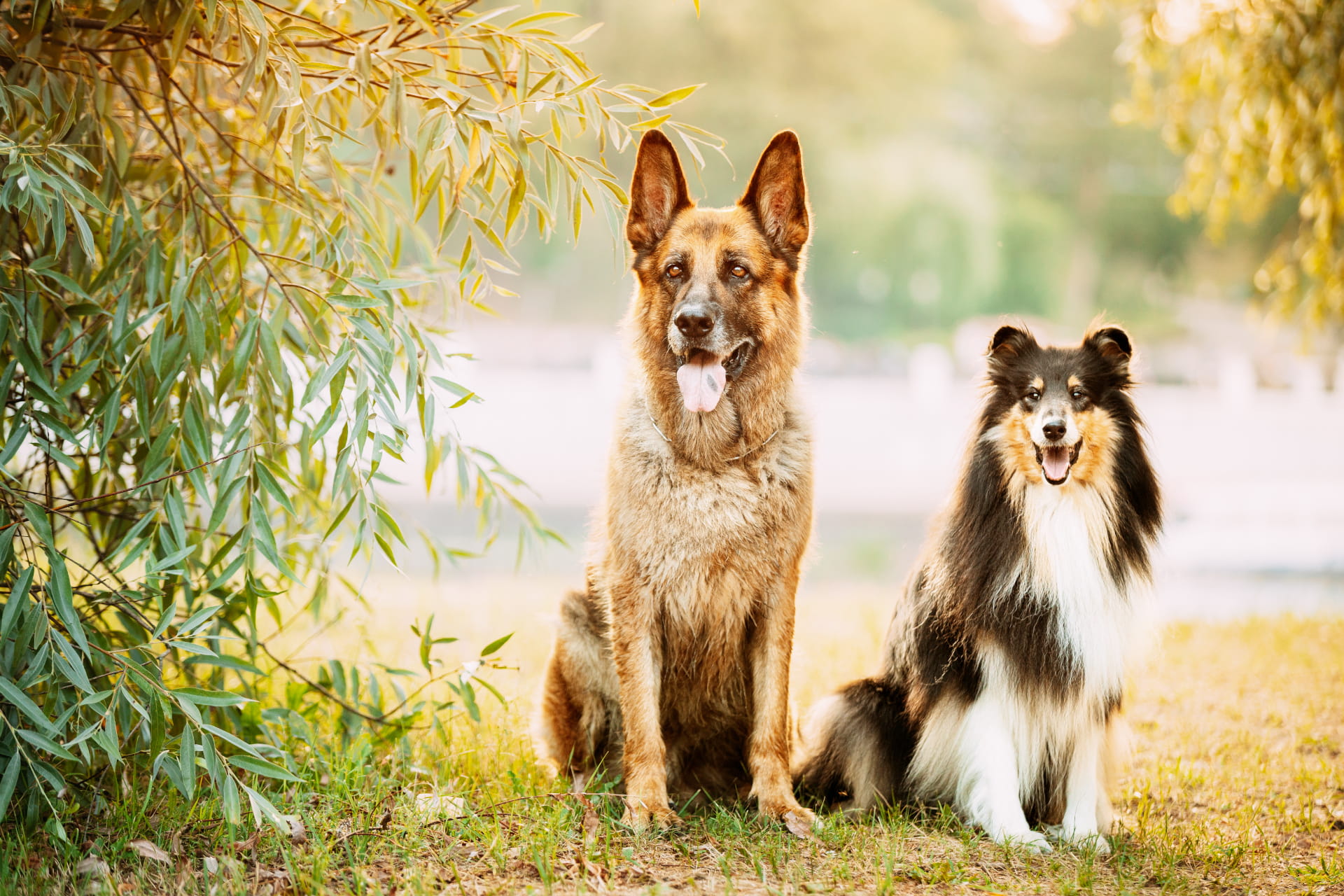
Update on LABOGenetics XXL Dog: New Features Provide an Even Better Overview With LABOGenetics XXL Dog, breeders and dog owners get a comprehensive overview of their dog’s genetics. The screening tests for over 340 genetic variants and provides information on possible hereditary diseases, genetic risk factors, and coat colors and characteristics. This makes it possible […]
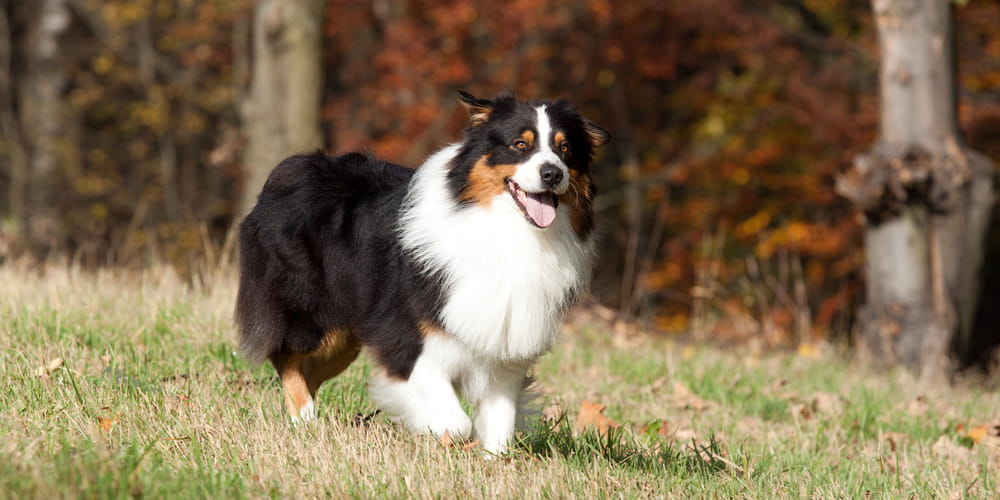
Imerslund-Gräsbeck Syndrome (IGS) Now Also Found in Australian Shepherds and Miniature American Shepherds IGS is an inherited disorder that affects the absorption of vitamin B12. The resulting deficiency impairs blood formation and can lead to anemia as well as neurological deficits. The first symptoms usually appear during puppyhood, between about 6 and 12 weeks of […]