




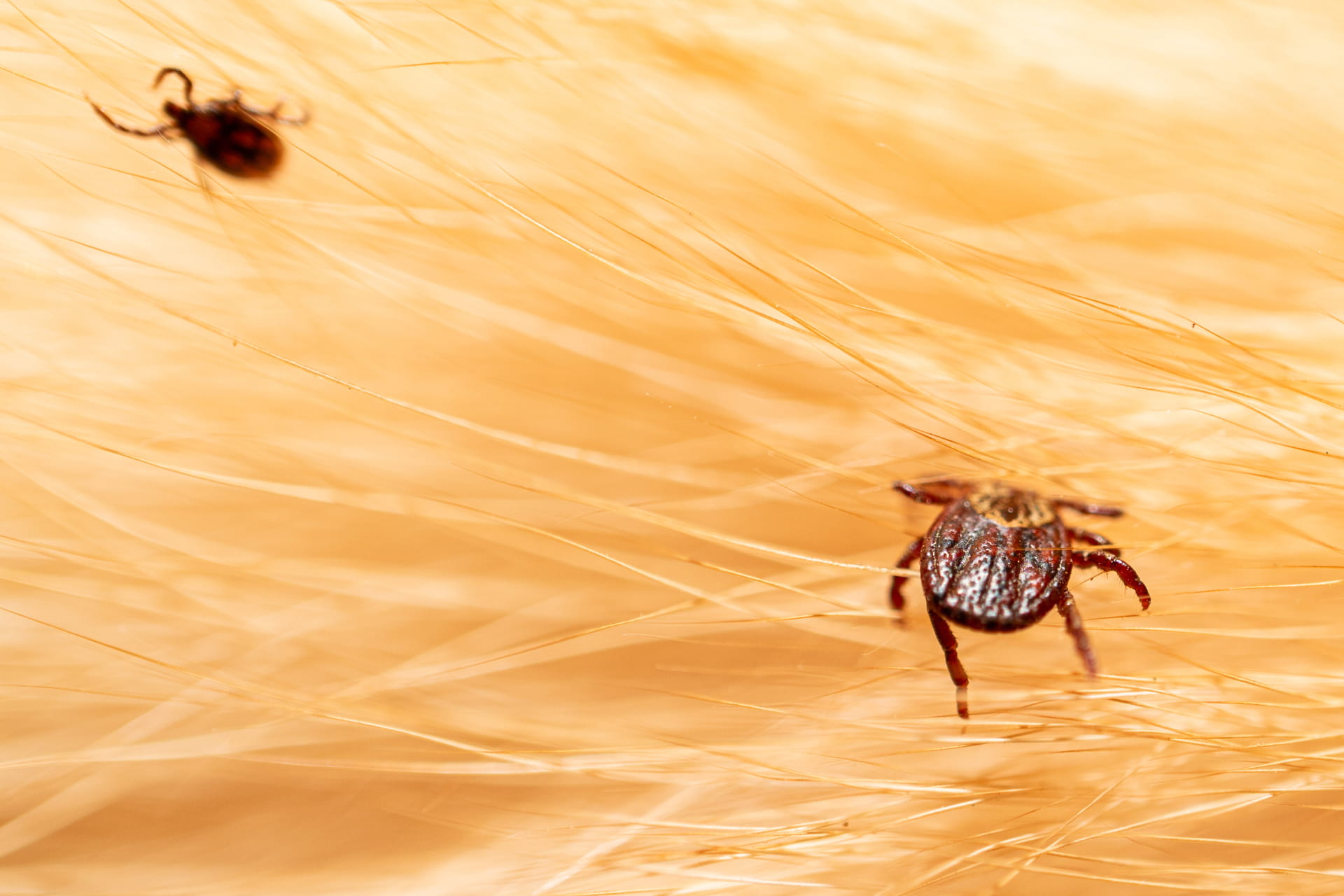
Babesiosis in dogs – Invisible danger after a tick bite
Babesiosis (also known as “canine malaria” or piroplasmosis) is a disease caused by unicellular parasites (babesia) that dogs can get from the bite of infected ticks and is increasingly occurring in Germany. It is mainly transmitted by the meadow tick and the brown dog tick, and more rarely by blood transfusions. If the parasites enter the dog’s bloodstream, they penetrate the red blood cells and multiply there. This destroys the red blood cells, which leads to anemia.
The symptoms usually appear within about 2-3 weeks after the tick bite and are often relatively unspecific. These include severe fatigue, fever, loss of appetite, weight loss, pale mucous membranes and jaundice. A dark red to brown discoloration of the urine can also occur, which is caused by the excretion of blood pigments (haemoglobinuria). If left untreated, the disease can lead to consequential damage to various organs, such as respiratory distress or kidney failure. The nervous system can also be affected, which can manifest itself in seizures, paralysis or movement disorders. Without treatment, babesiosis is often fatal. Early diagnosis and treatment are therefore very important.
As the pathogens are not transmitted directly with the tick bite, but enter the body with a time delay via the tick’s saliva, rapid removal of the tick and suitable tick protection can reduce the risk of babesiosis. A veterinarian should be contacted immediately in case of suspicion.
On our website https://vbd.laboklin.com you will find useful information on babesiosis and other vector-borne infectious diseases (transmitted by mosquitoes or ticks, for example).