





Hypothyroidism in dogs – new possibilities in diagnostics Hypothyroidism (underactive thyroid) is one of the most common hormonal diseases in dogs. The thyroid gland produces too few hormones (especially T4), which are important for the entire metabolism. Typical signs are weight gain despite a normal amount of food, tiredness and reduced playfulness, skin and coat […]
INFOTHEK | News

Glycogen storage disease (GSD-PGBM1) in the Basset Hound Glycogen storage diseases (GSDs) are hereditary metabolic disorders in which too much glycogen is stored in various tissues due to faulty enzymes. A genetic variant in the RBCK1 gene was discovered in the Basset Hound, which leads to the formation of so-called polyglucosan storage bodies and can […]
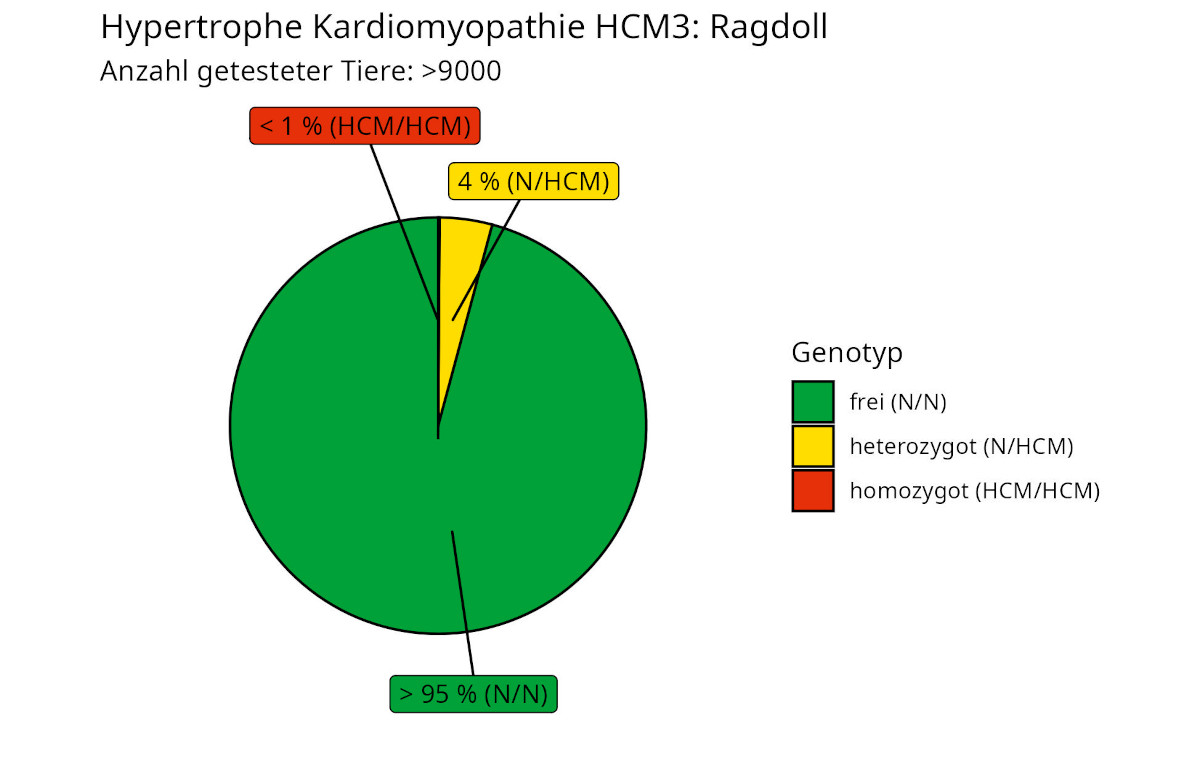
Update: Hypertrophic cardiomyopathy (HCM3) in the Ragdoll Hypertrophic cardiomyopathy (HCM) is the most common heart disease in cats. This causes the muscles of the left ventricle to thicken, making it harder for the heart to fill. This can lead to poor performance, shortness of breath, blood clots and, in the worst case, sudden cardiac death. […]

Determination of the ridge gene in the Rhodesian Ridgeback The ridge – the distinctive ridge running against the direction of the coat – is one of the characteristic features of the Rhodesian Ridgeback breed. The appearance of the Ridge is clearly defined by the respective breed standards. The development of the ridge is caused by […]
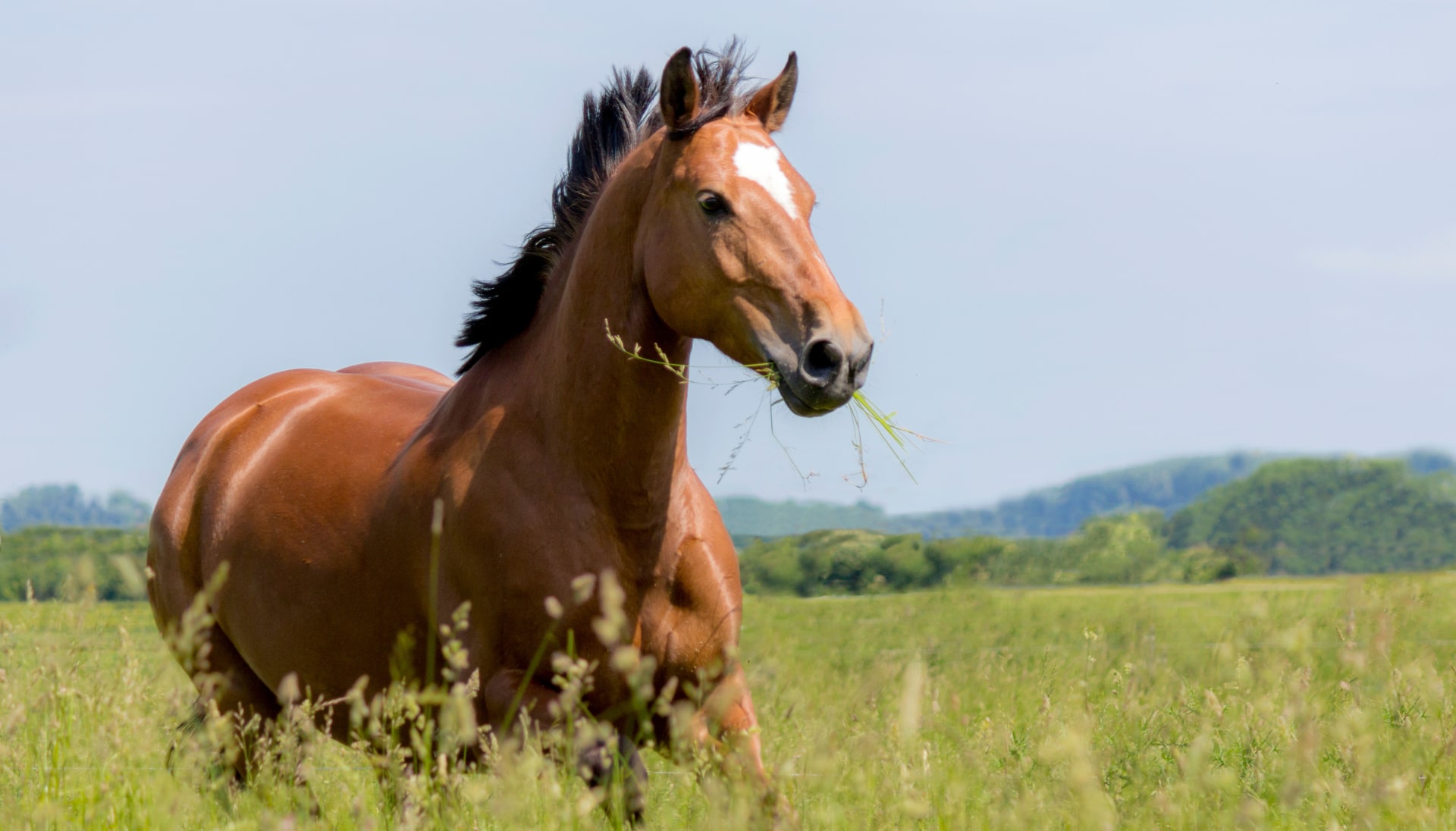
Hypertriglyceridemia-induced pancreatitis (HIP) in the Freiberger We offer a new genetic test for Freiberger that can be used to identify carriers and affected animals of hypertriglyceridemia-induced pancreatitis (HIP). The disease is a hereditary metabolic defect. The HIP gene variant causes the loss of function of an important enzyme in fat metabolism, which ensures that absorbed […]
Which genetic test suits my dog? Individual test, breed package or XXL screening – targeted or broad analysis?…